
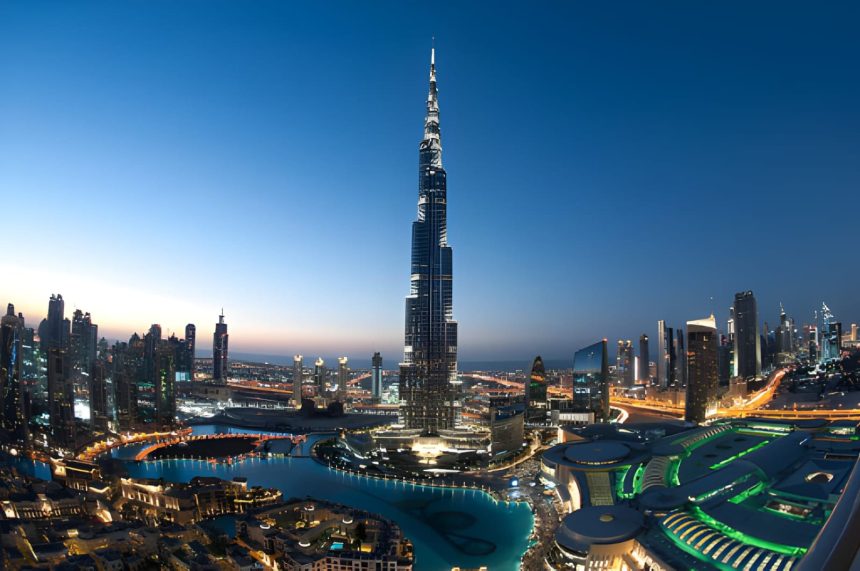
Not only is the Burj Khalifa the highest skyscraper in the world, but it is also one of the most advanced engineering feats in contemporary history. This famous building in Dubai stands over 828 meters tall. It needed carefully chosen materials that could handle extraordinary heights, desert temperatures, wind pressure, and seismic forces.
In this article from UAEDiaries, we look into the materials that were used to create the Burj Khalifa, why they were chosen, and how they made the skyscraper so strong, long-lasting, and beautiful.
What Materials Were Used to Build the Burj Khalifa?
The Burj Khalifa was built with a mix of high-performance concrete, structural steel, aluminium, glass, and cutting-edge cladding systems. Every material was essential for ensuring safety, stability, and long-term performance.
High-Performance Reinforced Concrete – The Structural Backbone
High-performance reinforced concrete forms the primary structural core of the Burj Khalifa.
Why Concrete Was Used
- Exceptional compressive strength
- High resistance to heat and pressure
- Ideal for super-tall vertical structures
Key Facts
- Over 330,000 cubic meters of concrete were used.
- Special concrete mix designed to withstand UAE desert temperatures
- Mainly poured at night using chilled water and ice to prevent cracking
This concrete system supports the massive vertical load and provides lateral stability against wind forces.
Structural Steel – Supporting Extreme Heights
Structural steel was used mainly in the upper levels and spire of the building.
Benefits of Steel
- High strength-to-weight ratio
- Flexibility under wind stress
- Enables construction at extreme elevations
Steel Usage Highlights
- More than 39,000 metric tons of steel reinforcement
- The steel spire reaches over 200 meters above the main structure.
- Helps reduce total building weight at higher levels
Steel played a vital role in extending the tower to record-breaking heights.
Aluminum and Stainless Steel – Exterior and Spire Finishing
Aluminum and stainless steel were used extensively for the spire, cladding frames, and façade elements.
Why Aluminum Was Chosen
- Lightweight yet strong
- Resistant to corrosion
- Performs well in the hot and humid UAE climate
The Burj Khalifa’s spire is primarily made from stainless steel, providing both structural stability and a sleek architectural finish.
Glass Curtain Wall System – Iconic Exterior Design
One of the most visually striking features of the Burj Khalifa is its glass curtain wall façade.
Glass System Features
- Over 26,000 glass panels
- Reflective, low-emissivity glass
- Reduces solar heat gain
- Enhances natural daylight
Combined With
- Aluminum panels
- Textured stainless-steel fins
This system improves energy efficiency while maintaining the tower’s luxurious appearance.
Cladding Materials – Protection Against Harsh Climate
The exterior cladding was specially engineered to handle extreme sun exposure, sandstorms, and temperature fluctuations.
Cladding Composition
- Aluminum panels
- Stainless steel accents
- Silicone sealants for flexibility
These materials protect the structure while ensuring long-term durability and minimal maintenance.
Foundation Materials – Strength Below the Surface
The foundation of the Burj Khalifa is as impressive as the tower itself.
Foundation Details
- 192 reinforced concrete piles
- Each pile is over 50 meters deep.
- High-density concrete is used to resist groundwater and salt exposure
The foundation was designed to handle the immense weight of the skyscraper while ensuring stability over decades.
Special Construction Materials & Technologies
In addition to core building materials, advanced technologies and compounds were used:
- High-strength rebar steel
- Corrosion-resistant coatings
- Fire-resistant materials
- Wind-engineered dampening systems
These innovations helped the Burj Khalifa meet international safety and performance standards.
Why These Materials Were Essential for the Burj Khalifa
The combination of concrete, steel, glass, and aluminum was carefully selected to:
- Withstand high wind speeds at extreme heights
- Resist thermal expansion in hot climates.
- Ensure structural safety and longevity.
- Achieve a luxury architectural finish.
Without these specialized materials, constructing a skyscraper of this scale in the UAE would not have been possible.
Final Thoughts
The Burj Khalifa is a symbol of innovation around the world, thanks to cutting-edge building materials and top-notch engineering. Every material was carefully chosen, from the high-performance concrete at the heart to the sleek glass façade and steel spire.
Knowing what materials were used to build the Burj Khalifa helps us understand how modern skyscrapers are built to push the limits of architecture and engineering, especially in tough places like the UAE.